is cabbage high in carbs Cabbage cabbages grow spring plant report species performance different tree nintendo seed tray dream never game ahead getting talk nybg
Cabbage: The Remarkably Underrated Superfood When we think of superfoods that can boost our health, we usually picture exotic fruits, pricey supplements, or trendy health foods. It’s easy to overlook the humble cabbage, even though it’s been cultivated for thousands of years, is available in every grocery store, and is one of the most versatile and inexpensive vegetables out there. Yet, the cabbage is so much more than just a filler for coleslaw or a side dish for boiled meat. In fact, it’s packed with nutrients that can support everything from your immune system to your gut health, and its many varieties can satisfy any palate and cooking preference. Let’s start with the basics: cabbage is a cruciferous vegetable, which means it belongs to the same family as broccoli, cauliflower, kale, and bok choy. Cruciferous vegetables are known for their high content of phytonutrients, vitamins, and minerals, as well as their antioxidant and anti-inflammatory properties. Cabbage, in particular, contains high levels of vitamins C and K, as well as fiber, folate, calcium, and potassium. But what sets cabbage apart from its cruciferous cousins is its unique compounds that have been linked to various health benefits. For example: - Sulforaphane: This is a sulfur-containing compound that has been shown to have anti-cancer properties. Sulforaphane activates the body’s detoxification enzymes and helps eliminate harmful substances that can damage cells and cause mutations. Studies have found that eating cruciferous vegetables, including cabbage, may reduce the risk of cancer, especially of the lung, colon, breast, and prostate. Sulforaphane may also help lower inflammation, improve liver function, and protect the brain from oxidative stress. - Glucosinolates: These are natural compounds that give cabbage its pungent aroma and flavor. When chopped or chewed, glucosinolates are converted into isothiocyanates, which have antimicrobial, anti-inflammatory, and antioxidant properties. Isothiocyanates can enhance the activity of immune cells, fight off infection, and reduce the risk of chronic diseases, such as heart disease, diabetes, and arthritis. They may also improve cognitive function and mood. - Anthocyanins: These are pigments that give red and purple cabbage their vibrant color. Anthocyanins are potent antioxidants that can protect cells from damage and inflammation. They have been shown to boost brain function, improve blood sugar control, lower blood pressure, and reduce the risk of heart disease. Some studies suggest that anthocyanins may also have anti-cancer effects, especially against colon and breast cancer. Of course, simply knowing that cabbage is good for you is not enough to convince everyone to eat it. Some people may be put off by the smell, the texture, or the taste of cabbage. However, there are many ways to cook and prepare cabbage that can make it more appealing and delicious. Here are some ideas: - Roasted cabbage: Cut a head of cabbage into wedges, brush with olive oil, sprinkle with salt and pepper, and roast in the oven until browned and crispy. This brings out the sweetness of the cabbage and gives it a caramelized flavor. - Stir-fry cabbage: Slice cabbage into thin strips, along with other vegetables and protein such as onions and chicken. Stir-fry in a wok with garlic, ginger, soy sauce, and sesame oil. This creates a savory and filling dish that can be served over rice or noodles. - Cabbage slaw: Shred cabbage and carrots, and mix with a dressing of lemon juice, olive oil, honey, and mustard. This makes a refreshing and crunchy side dish that can complement any grilled meat or sandwich. Whether you prefer your cabbage raw, cooked, or fermented, there’s no denying that it’s a nutritious and versatile ingredient that can elevate any meal and boost your well-being. So next time you’re shopping for groceries, don’t overlook the cabbage aisle. You may be surprised at what this superfood can do for your health and taste buds.
If you are searching about Cabbage (पत्ता गोभी) – Noida, Greater Noida & Ghaziabad, Online Grocery you’ve visit to the right web. We have 5 Images about Cabbage (पत्ता गोभी) – Noida, Greater Noida & Ghaziabad, Online Grocery like Cabbage (पत्ता गोभी) – Noida, Greater Noida & Ghaziabad, Online Grocery, Is Cabbage High in Carbohydrates? | LIVESTRONG.COM and also Getting Ahead with Cabbages - Plant Talk. Here it is:
Cabbage (पत्ता गोभी) – Noida, Greater Noida & Ghaziabad, Online Grocery
 www.mandiraja.comGetting Ahead With Cabbages - Plant Talk
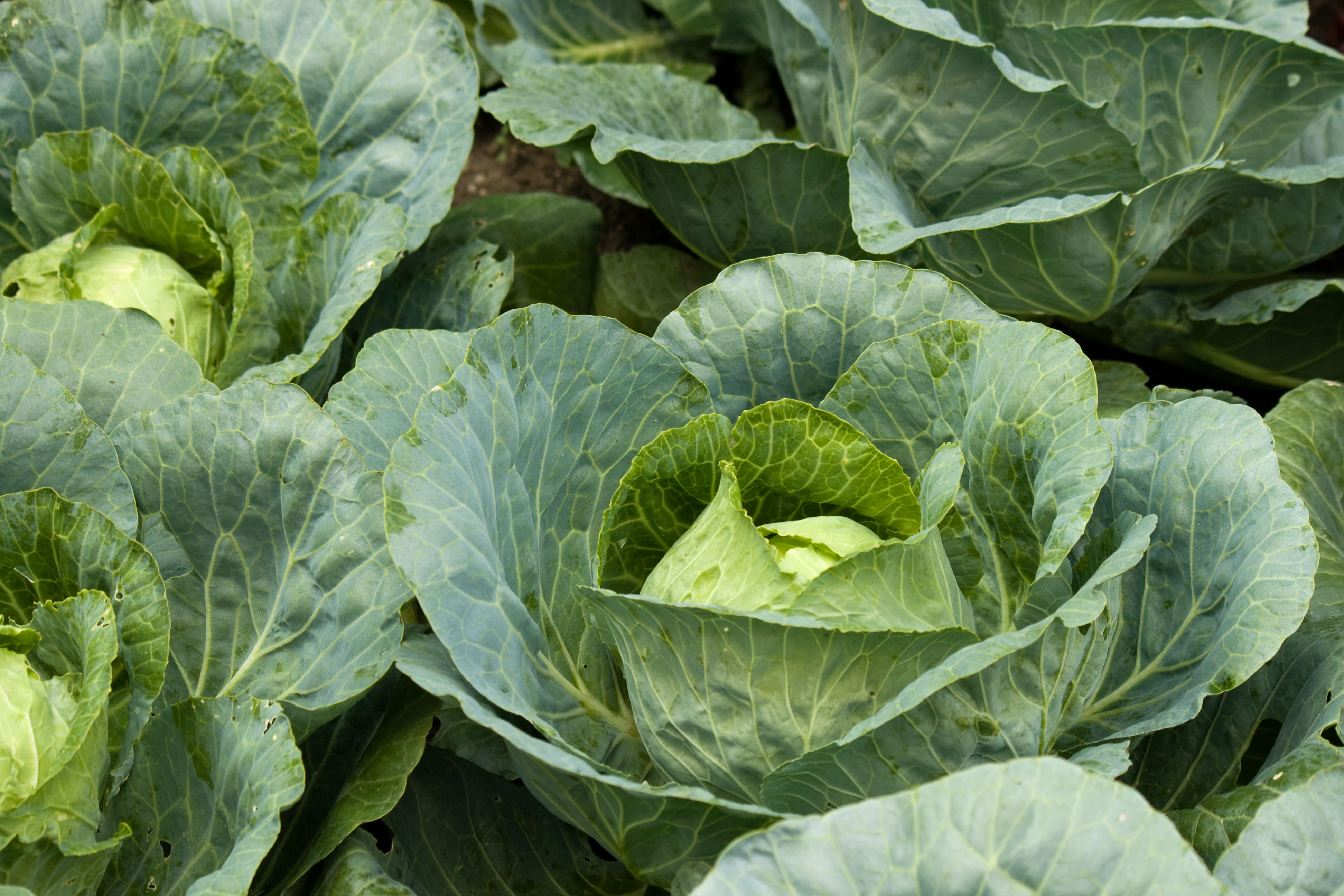 www.nybg.orgcabbage cabbages grow spring plant report species performance different tree nintendo seed tray dream never game ahead getting talk nybg
Is Cabbage High In Carbohydrates? | LIVESTRONG.COM
 www.livestrong.comcabbage carbohydrates high leafy dark green vegetables list sliced red getty livestrong cutting board tuned istock credit
Is Cabbage High In Carbs?
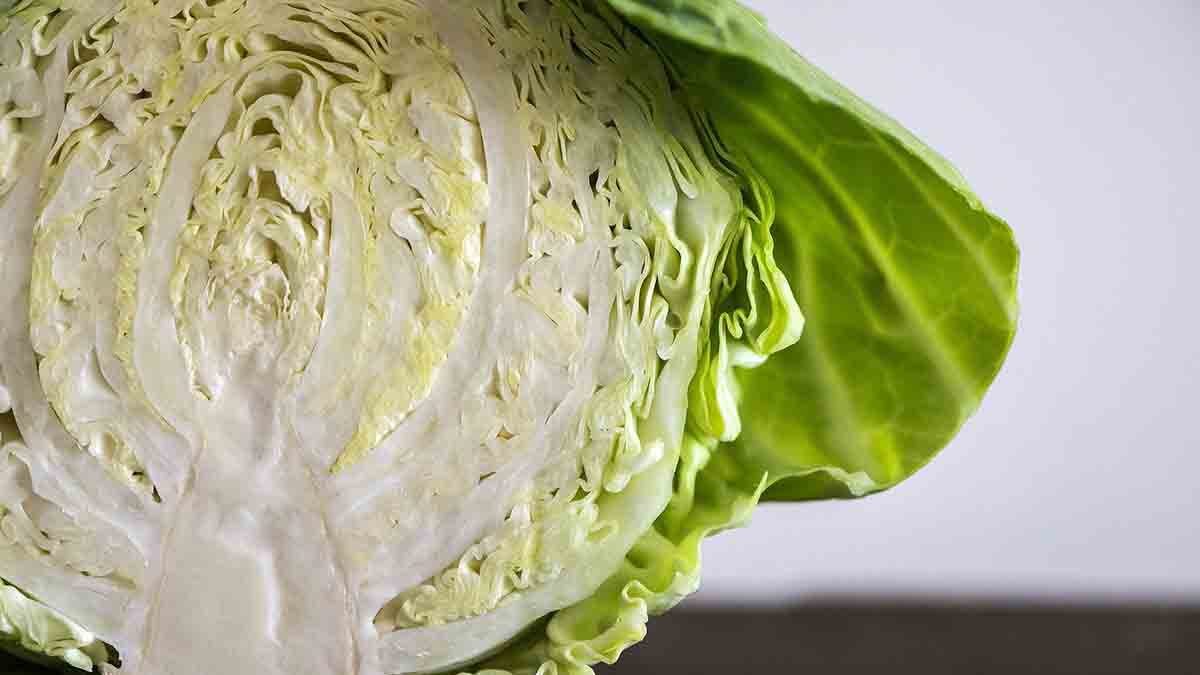 lazyplant.comsugars vitamins dietary
13 Healthy Reasons To Eat More Cabbage | Cabbage Benefits, Cabbage
 www.pinterest.comcabbage
Getting ahead with cabbages. 13 healthy reasons to eat more cabbage. Cabbage carbohydrates high leafy dark green vegetables list sliced red getty livestrong cutting board tuned istock credit